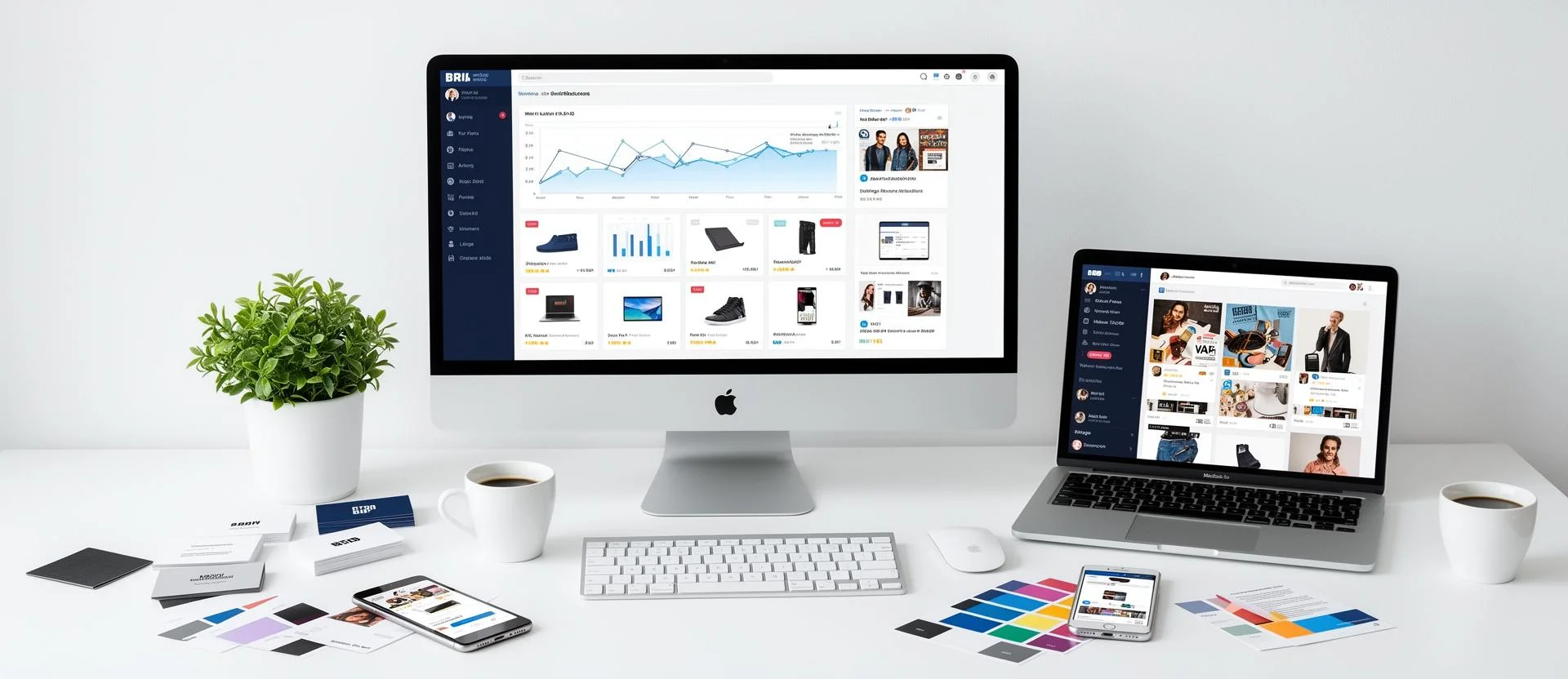
Ultimate Guide to Digital Marketing for SMEs
Australia has over 2.5 million small and medium enterprises, and digital marketing is the great equaliser — giving SMEs the tools to compete with larger players without enterprise budgets. This comprehensive guide covers everything you need to build a digital marketing engine that drives real growth.
1. Building Your Digital Foundation
Before diving into channels and tactics, every SME needs three things: a clear understanding of their target customer, a unique value proposition that differentiates them from competitors, and measurable business goals. Without these foundations, even the best-executed campaigns will underperform.
Start by documenting your ideal customer profile. What are their pain points? Where do they spend time online? What triggers their buying decision? Then craft a value proposition that speaks directly to those needs in a way your competitors don't.
2. Your Website: The Hub of Everything
Your website is the centre of your digital universe. Every ad, social post, and email should drive traffic back to a website that's fast, mobile-optimised, and built to convert. For SMEs, that means clear calls-to-action, trust signals (reviews, certifications, case studies), and a frictionless contact or purchase process.
3. SEO Essentials for SMEs
Search engine optimisation is the highest-ROI channel for most SMEs. Focus on three pillars: technical SEO (site speed, mobile-friendliness, structured data), on-page SEO (keyword-optimised titles, meta descriptions, and content), and local SEO (Google Business Profile, local citations, and reviews).
For local businesses, Google Business Profile is arguably the single most impactful free tool. Ensure your listing is complete, photos are current, and you actively manage reviews.
4. Content Marketing on a Budget
Content marketing doesn't require a massive budget — it requires consistency and quality. Start with a blog covering topics your customers actually search for. Repurpose blog content into social media posts, email newsletters, and short videos. One well-researched article can fuel two weeks of multi-channel content.
5. Social Media Strategy
Pick the platforms where your audience is most active. For B2B SMEs, LinkedIn is essential. For consumer brands, Instagram and TikTok offer the best organic reach in 2026. Post consistently, engage authentically, and don't just broadcast — participate in conversations relevant to your industry.
6. Paid Advertising Fundamentals
Start small and test before scaling. Google Ads captures high-intent search traffic, while Meta Ads (Facebook/Instagram) excel at awareness and retargeting. Set a daily budget you're comfortable with, run campaigns for at least 2 weeks before judging performance, and always send ad traffic to dedicated landing pages — never your homepage.
7. Email Marketing That Converts
Build your email list from day one. Offer a genuine value exchange — a useful guide, exclusive discount, or industry insights — in return for an email address. Segment your list, personalise your messages, and maintain a consistent sending cadence. Automated welcome sequences and abandoned cart emails deliver outsized returns for minimal ongoing effort.
8. Measuring What Matters
Track metrics that connect to revenue, not vanity. Focus on conversion rate, cost per lead, customer acquisition cost, and lifetime value. Set up Google Analytics 4, implement conversion tracking, and review dashboards monthly. Data-informed decisions separate growing businesses from stagnant ones.
Getting Started
Digital marketing for SMEs isn't about doing everything — it's about doing the right things well. Start with your website and SEO, add one paid channel, build your email list, and measure relentlessly. As you grow, expand your channel mix based on data, not trends. The businesses that win online are the ones that stay consistent, keep learning, and always optimise.