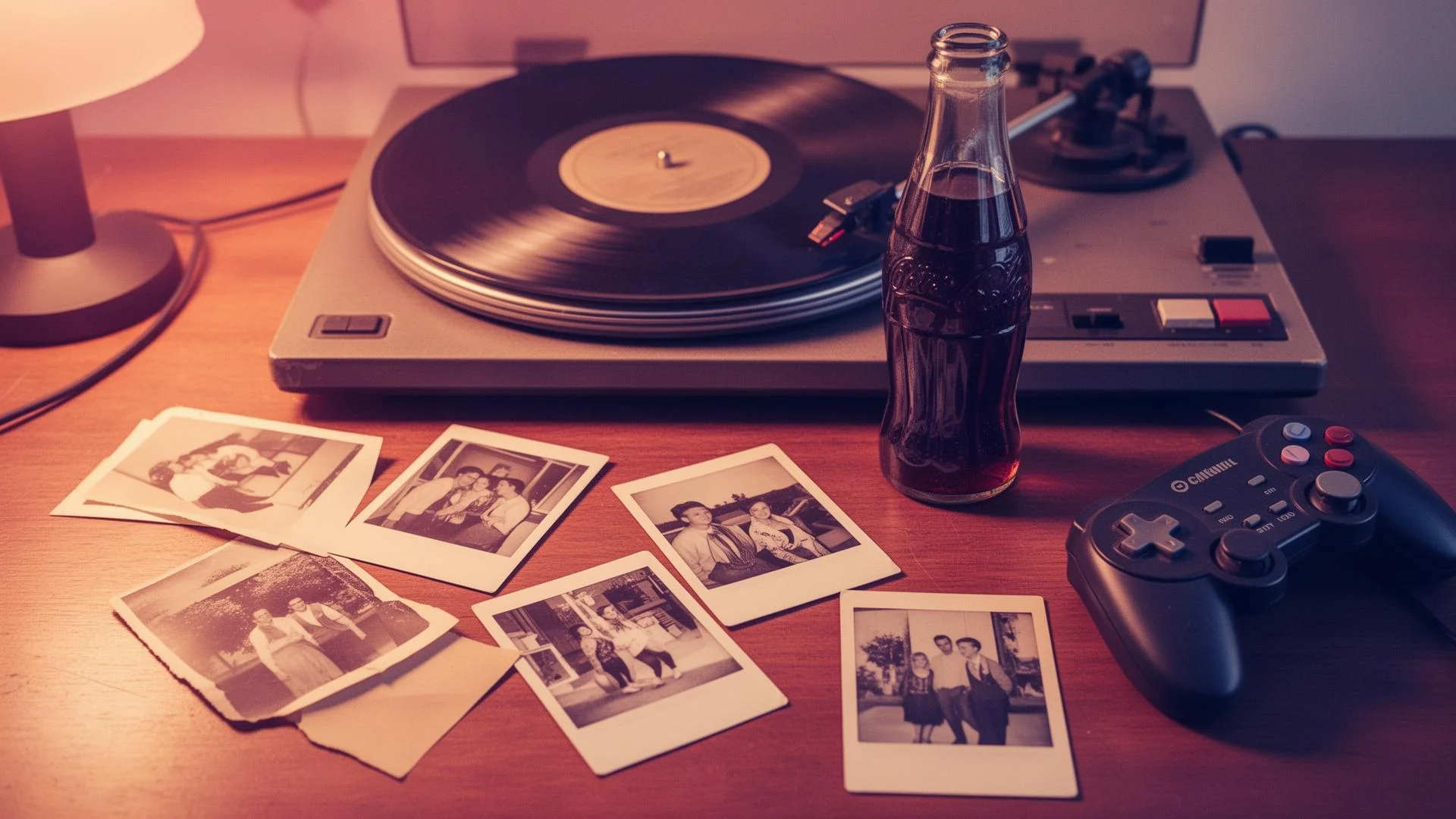
The Power of Nostalgia: How Brands Are Winning Hearts Through Memory
In a world saturated with digital noise and fleeting trends, brands are discovering that the key to capturing hearts isn't always about looking forward—it's about looking back. Nostalgia marketing has emerged as one of the most powerful tools in a marketer's arsenal, tapping into our deepest emotions and shared cultural memories to forge genuine connections with audiences.
From the revival of 90s fashion to the resurgence of vinyl records, nostalgia isn't just a passing fad—it's a fundamental human experience that brands are learning to harness with remarkable effectiveness. But what makes nostalgia so powerful, and how can brands authentically tap into this emotional goldmine?
The Psychology Behind Nostalgia Marketing
Nostalgia, derived from the Greek words "nostos" (return home) and "algos" (pain), was once considered a medical condition. Today, psychologists recognise it as a complex emotional experience that serves important psychological functions.
When we experience nostalgia, our brains release a cocktail of feel-good chemicals including dopamine and serotonin. These neurochemical responses create a sense of warmth, belonging, and emotional security. For brands, this means nostalgia marketing doesn't just capture attention—it creates genuine emotional bonds with consumers.
The Numbers Don't Lie: Why Nostalgia Works
The effectiveness of nostalgia marketing isn't just anecdotal—it's backed by compelling data that demonstrates its commercial power:
- •14% more willing to pay — Consumers exposed to nostalgic advertising show significantly higher purchase intent and willingness to pay premium prices.
- •$2.8 billion market — The global retro gaming market alone demonstrates the commercial viability of nostalgia-driven products.
- •70% of millennials report that nostalgic content makes them feel more connected to brands.
- •3x higher engagement — Social media posts with nostalgic themes consistently outperform contemporary content.
Case Studies: Brands Doing It Right
Coca-Cola: The Masters of Memory
Few brands have mastered nostalgia marketing quite like Coca-Cola. Their iconic "Share a Coke" campaign tapped into the nostalgia of personalisation, while their vintage-inspired packaging and Christmas campaigns consistently evoke warm memories of simpler times. The brand's recent reintroduction of classic bottle designs and retro advertising styles demonstrates how heritage can be leveraged for contemporary relevance.
Nintendo: Bridging Generations Through Play
Nintendo's NES Classic and SNES Classic consoles weren't just products—they were time machines. By repackaging beloved games from the 80s and 90s in sleek, modern hardware, Nintendo created a product that appealed to both nostalgic adults and curious younger generations. The strategy was so successful that demand consistently outstripped supply, creating a cultural phenomenon.
Nike: Heritage Meets Innovation
Nike's approach to nostalgia is particularly sophisticated. Rather than simply re-releasing old designs, they reimagine classics with modern technology. The Air Jordan retro line, for example, maintains the iconic aesthetics while incorporating contemporary comfort features. This "nostalgic innovation" approach allows Nike to honour their heritage while staying relevant.
The Australian Context: Local Nostalgia
Australian brands have their own unique opportunities for nostalgia marketing. From the revival of classic Arnott's biscuit packaging to the enduring appeal of Vegemite's heritage messaging, local brands are discovering that Australians have a deep connection to their cultural touchstones.
The rise of "Australiana" aesthetics in fashion, homewares, and advertising speaks to a collective desire to reconnect with a perceived simpler past. Brands like R.M. Williams and Akubra have built entire identities around this heritage, proving that authenticity and history can be powerful differentiators in crowded markets.
Implementing Nostalgia in Your Brand Strategy
Ready to tap into the power of nostalgia? Here's a strategic framework for implementing nostalgia marketing authentically:
1. Know Your Audience's Timeline
Different generations have different nostalgic touchpoints. Baby Boomers might respond to 60s and 70s references, while Millennials connect with 90s pop culture. Gen Z, interestingly, is showing nostalgia for eras they never experienced firsthand—a phenomenon known as "anemoia" or nostalgia for a time you've never known.
2. Authenticity is Non-Negotiable
Consumers can spot inauthentic nostalgia from a mile away. If your brand doesn't have genuine heritage to draw upon, consider instead focusing on universal nostalgic experiences—childhood summers, family gatherings, milestone moments—rather than appropriating cultural references that don't belong to you.
3. Balance Past and Present
The most effective nostalgia marketing doesn't live entirely in the past. It creates a bridge between cherished memories and contemporary relevance. Think of how Spotify Wrapped uses nostalgia for your own recent music history to drive engagement.
4. Choose the Right Channels
Different platforms suit different nostalgic approaches. Instagram and TikTok work well for visual throwbacks, while podcasts and long-form content allow for deeper storytelling. Email marketing can leverage personal history ("Remember when you first joined us?") effectively.
The Balance: Authenticity vs. Exploitation
There's a fine line between leveraging nostalgia and exploiting it. Brands must be careful not to reduce meaningful cultural moments to mere marketing opportunities. The key questions to ask:
- •Does this nostalgic reference genuinely connect to our brand values?
- •Are we adding value to the conversation or just capitalising on sentiment?
- •Would our audience feel respected or manipulated by this approach?
- •Can we sustain this nostalgic positioning, or is it a one-off gimmick?
Future Trends: Gen Z and the Evolution of Nostalgia
Perhaps the most fascinating development in nostalgia marketing is how Gen Z is reshaping its boundaries. This generation, born between 1997 and 2012, is demonstrating nostalgia for decades they never experienced. The resurgence of vinyl records, film photography, and Y2K fashion among young consumers suggests that nostalgia is becoming less about personal memory and more about aesthetic and cultural identity.
This evolution presents new opportunities for brands. Rather than targeting specific age groups with era-specific references, marketers can now create nostalgic experiences that transcend generational boundaries. The key is understanding that modern nostalgia is often about escaping digital overwhelm and reconnecting with perceived authenticity.
The Takeaway: Memory as Strategy
Nostalgia marketing isn't about living in the past—it's about using the emotional power of memory to create meaningful connections in the present. When executed authentically, it can transform a brand from a mere product or service provider into a trusted companion on the consumer's life journey.
The brands that will succeed with nostalgia marketing are those that understand its deeper purpose: not to manipulate emotions, but to acknowledge the shared human experience of longing for connection, belonging, and meaning. In an increasingly fragmented digital landscape, that's a powerful proposition indeed.
Ready to Tap Into Nostalgia?
At Webfx2 Digital, we help brands discover and leverage their unique nostalgic assets to create campaigns that resonate deeply with audiences. Whether you're looking to revive heritage elements or create new emotional connections, our team can guide your strategy.
Get in Touch

