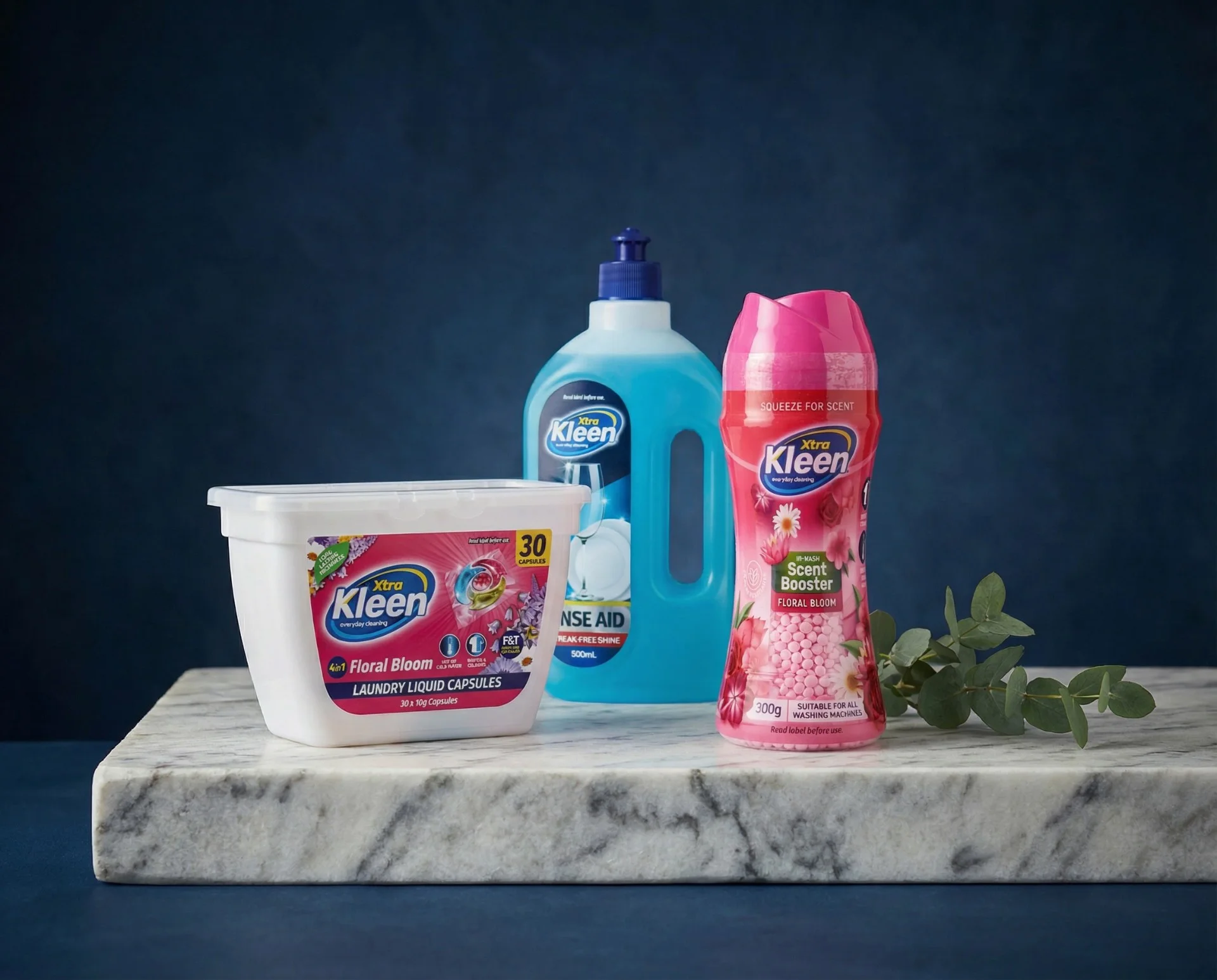
Brand Guidelines for Business: Why They Matter More Than Most Businesses Realise
A lot of businesses think brand guidelines are something only large corporations need. The truth is the opposite. The more a business grows, the more important consistency becomes — and the earlier that consistency is built, the stronger the brand becomes over time.
1. Why Brand Guidelines Are Not Just for Big Brands
Brand guidelines are the rulebook for how your brand shows up in the world. They define the visual identity, tone of voice, messaging style, logo usage, colour palette, typography, imagery, layouts, and the little details that make a business instantly recognisable.
Without guidelines, brands tend to drift. One social post looks polished, the next looks off-brand. One sales deck sounds premium, the next sounds casual and generic. One staff member uses the right logo, another stretches it like pizza dough. That inconsistency chips away at trust.
2. What Brand Guidelines Actually Do
Brand guidelines create alignment. They help business owners, marketing teams, designers, freelancers, printers, content creators, developers, and sales teams work from the same playbook.
That means:
- Your website feels connected to your packaging
- Your social media looks like it belongs to the same business as your brochures
- Your ads sound like your sales team
- Your presentations support the same positioning as your product range
- Your brand looks intentional, not improvised
When this happens consistently, customers begin to recognise your business faster. Recognition leads to familiarity. Familiarity leads to trust. Trust leads to action.

Consistent brand identity across all touchpoints — from signage to print collateral.
3. The Real Business Value Behind Good Brand Guidelines
Brand guidelines are often misunderstood as a "design document." In reality, they are a business tool.
They improve efficiency because your team does not have to reinvent every asset from scratch. They reduce confusion because everyone knows what the brand should look and sound like. They improve quality control because weak or inconsistent creative gets caught early. They also support scale, because as your business expands into more channels, products, stores, campaigns, and markets, your brand stays coherent.
Logo — Clear Space
Minimum clear space = height of the logomark (x) on all sides.
Colour Palette
Primary
#2B4C7E
Secondary
#3A7CA5
Accent
#D4A843
Neutral
#F0EDE8
Dark
#1A1A2E
Typography Scale
Display Heading
Section Heading
The quick brown fox jumps over the lazy dog. Body text should maintain comfortable readability at standard viewport widths.
Supporting label or caption
Example of a structured brand guidelines layout showing logo exclusion zones, colour palette specifications, and typography hierarchy.
4. What Should Be Included in Brand Guidelines?
A useful set of brand guidelines should go beyond a logo and a couple of colours. It should give your team practical guidance they can actually use.
Brand Purpose and Positioning
This explains who you are, what you stand for, who you serve, and how you want to be perceived. It gives your brand strategic direction, not just decoration.
Logo Rules
This covers primary and secondary logos, spacing, minimum sizing, approved backgrounds, incorrect usage, and file variations. In plain English: what to do, and what not to do.
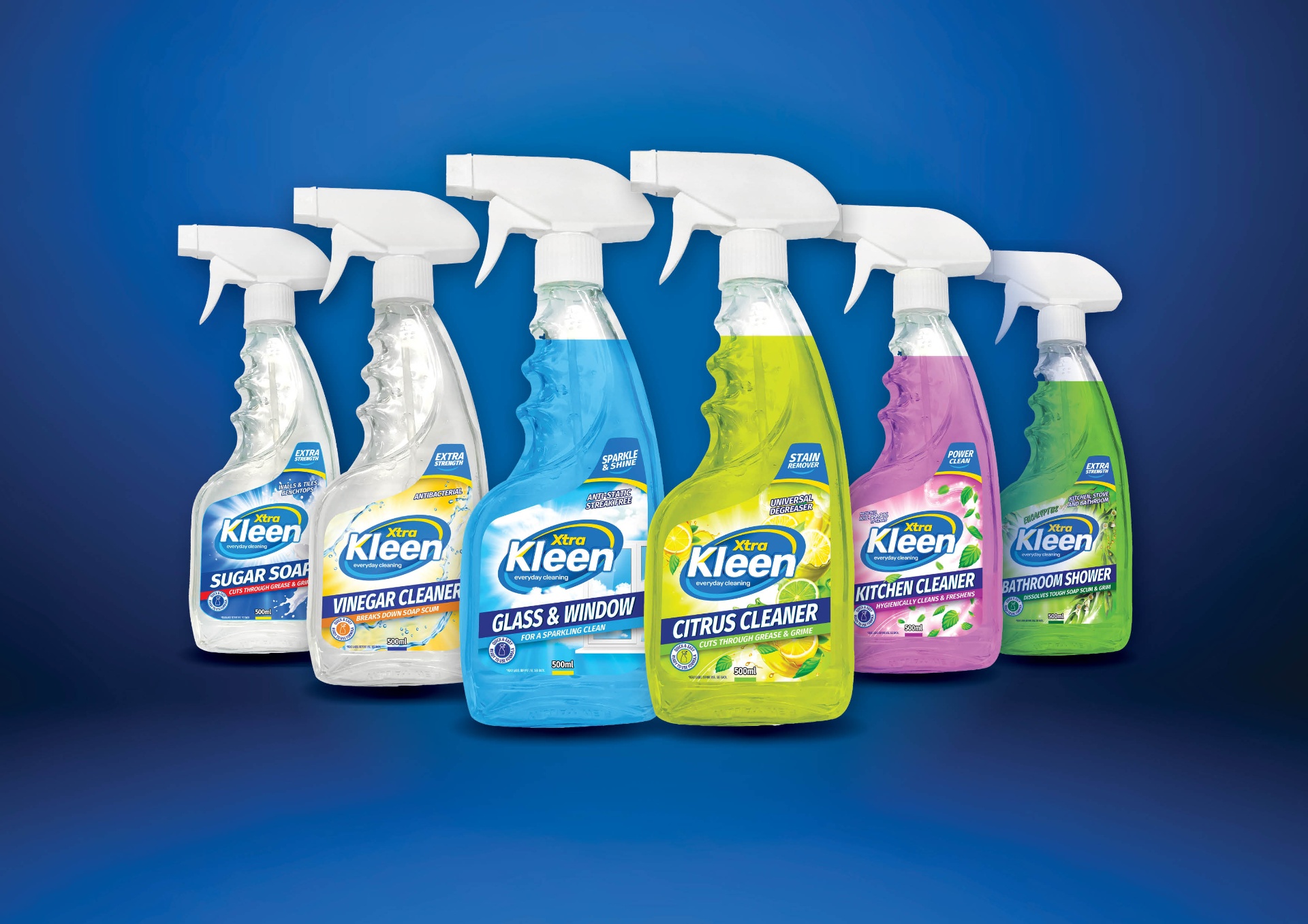
Consistent packaging design across the Xtra Kleen trigger spray range reinforces brand recognition at shelf level.
Colour Palette
Your brand colours should be specified clearly across RGB, CMYK, HEX, and Pantone where relevant. This keeps your brand looking consistent on screen and in print.

Cohesive colour palettes applied to Pet Basic packaging ensure brand consistency from shelf to screen.
Typography
Fonts carry personality. Your guidelines should define primary and secondary typefaces, font hierarchy, weights, spacing, and where each font should be used.
Imagery Style
Photography, illustration, iconography, and graphics all shape perception. Your guidelines should show the look and feel your business wants to maintain, from polished corporate imagery to warm lifestyle photography or product-focused e-commerce visuals.
Tone of Voice
This is one of the most overlooked areas. Your brand should not just look consistent — it should sound consistent. Tone of voice guidance helps define whether your messaging is professional, conversational, bold, playful, technical, premium, or accessible.
Messaging Examples
Examples help teams apply the strategy in real life. Taglines, headlines, product descriptions, social captions, email language, and website copy samples make the brand easier to execute.
Layout and Application Examples
Mockups and real-world applications are where guidelines become practical. Business cards, social posts, packaging, proposals, signage, presentations, uniforms, websites, and digital ads should all reflect the same system.

The Karpati Hair Care range demonstrates how brand guidelines translate into cohesive product packaging.
5. Why Many Businesses Get Branding Wrong
A common mistake is treating branding like a one-off logo project. A logo is only one part of the system. If the rest of the business has no visual discipline or messaging structure, the brand quickly becomes fragmented.
Another issue is relying on memory instead of documentation. A founder might know what the brand should feel like, but unless that is documented properly, the team is left guessing. Guesswork is where inconsistency is born.
There is also the problem of overcomplicating things. Some brand documents are so bloated and theoretical that nobody uses them. Good brand guidelines should be clear, practical, and easy to apply.
6. Brand Consistency Builds Credibility
When customers encounter your brand, they make fast decisions. Does this business feel professional? Does it look trustworthy? Does it seem current? Does it feel premium? Does it feel relevant to me?
People do not always say these things out loud, but they absolutely respond to them.
A consistent brand creates the feeling that the business is organised, established, and confident. An inconsistent brand suggests the opposite. That might sound harsh, but branding is often the silent salesman in the room.
Good brand guidelines help your business control that impression.
7. When Businesses Should Create Brand Guidelines
The best time is earlier than most people think. You should invest in brand guidelines when:
- Your business is growing quickly
- Multiple people are creating content or assets
- Your marketing feels inconsistent
- Your packaging, website, social media, and sales material do not feel unified
- You are rebranding or repositioning
- You are launching new products or expanding into new markets
- You want to appear more premium, credible, or established
This is especially important for businesses that rely on first impressions, visual identity, shelf appeal, digital presence, or strong customer trust.
8. Brand Guidelines Are a Growth Tool
The strongest brands are not always the loudest. They are usually the clearest.
They know how they look. They know how they sound. They know what they stand for. And every touchpoint reinforces that identity.
That is what brand guidelines make possible.
For businesses that want to grow, compete harder, and present themselves with more confidence, brand guidelines are not a nice extra. They are part of the foundation.
Final Thoughts
If your brand currently feels scattered, inconsistent, or too dependent on whoever is making the next piece of content, it may be time to build a proper system.
Strong brand guidelines help businesses protect quality, speed up creative execution, improve recognition, and create a more professional presence across every channel.
And in a crowded market, that kind of consistency is not cosmetic. It is commercial.