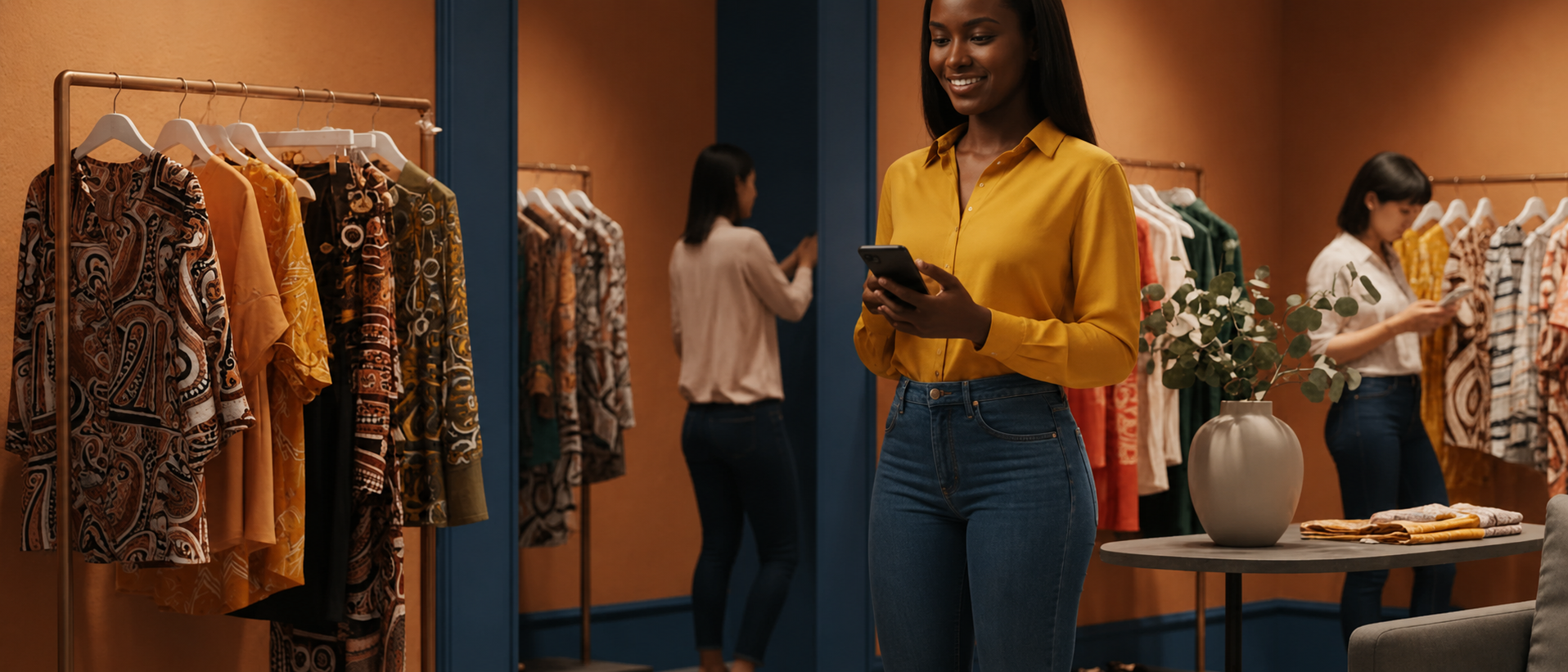
Australian Retail Consumer Shifts: In-Store vs Online Spending
The Australian retail landscape has shifted faster in the last five years than in the previous twenty. The line between "in-store" and "online" has effectively dissolved — what we have now is one continuous shopper journey that moves freely between physical aisles, marketplace search bars, and social feeds.
For Australian brands, the question is no longer "should we be online or in-store?" — it's "are our channels working together?" Shoppers expect consistent pricing, inventory visibility, and brand experience whether they're standing in a Woolworths aisle in Wollongong or scrolling Instagram on the train into Sydney.
What the Data Tells Us
Online retail now accounts for over 16% of total Australian retail spend, with grocery, health and beauty, and homewares leading category growth. But the more interesting story sits in behaviour: more than 70% of in-store purchases are now influenced by a prior digital touchpoint — a review, a search, a TikTok, or a price check.
Physical retail isn't dying. It's being repositioned. Stores increasingly act as fulfilment hubs, brand showrooms, and trust signals — places that validate what shoppers have already researched online.
The Rise of Social as a Retail Channel
Social media has graduated from a discovery channel into a transactional one. Instagram Shops, TikTok Shop, and Facebook Marketplace are increasingly where Australians find, evaluate, and buy — particularly Gen Z and younger Millennials. Brands that treat social purely as awareness are leaving conversion on the table.
This shift puts new pressure on creative. Packaging needs to perform as a thumbnail. Product photography needs to read at smartphone scale. And brand voice needs to feel native to each platform, not bolted on from a brochure.
What Australian Brands Should Do Next
Practically, that means three things. First, a unified inventory and pricing layer across every channel. Second, creative assets — packaging, photography, and copy — that are built to perform online and on shelf. Third, an analytics setup that measures the full path to purchase, not last-click attribution.
The Bottom Line
Australian retail isn't choosing between in-store and online — it's choosing both, in any order, all the time. Brands that design for that reality will keep growing. Brands that don't will quietly lose ground every quarter, whether they see it in the data or not.
Need Help Bringing Your Brand to Life?
Webfx2 Digital is a Sydney and Wollongong creative agency specialising in FMCG packaging, web design, branding, and digital marketing for Australian businesses.