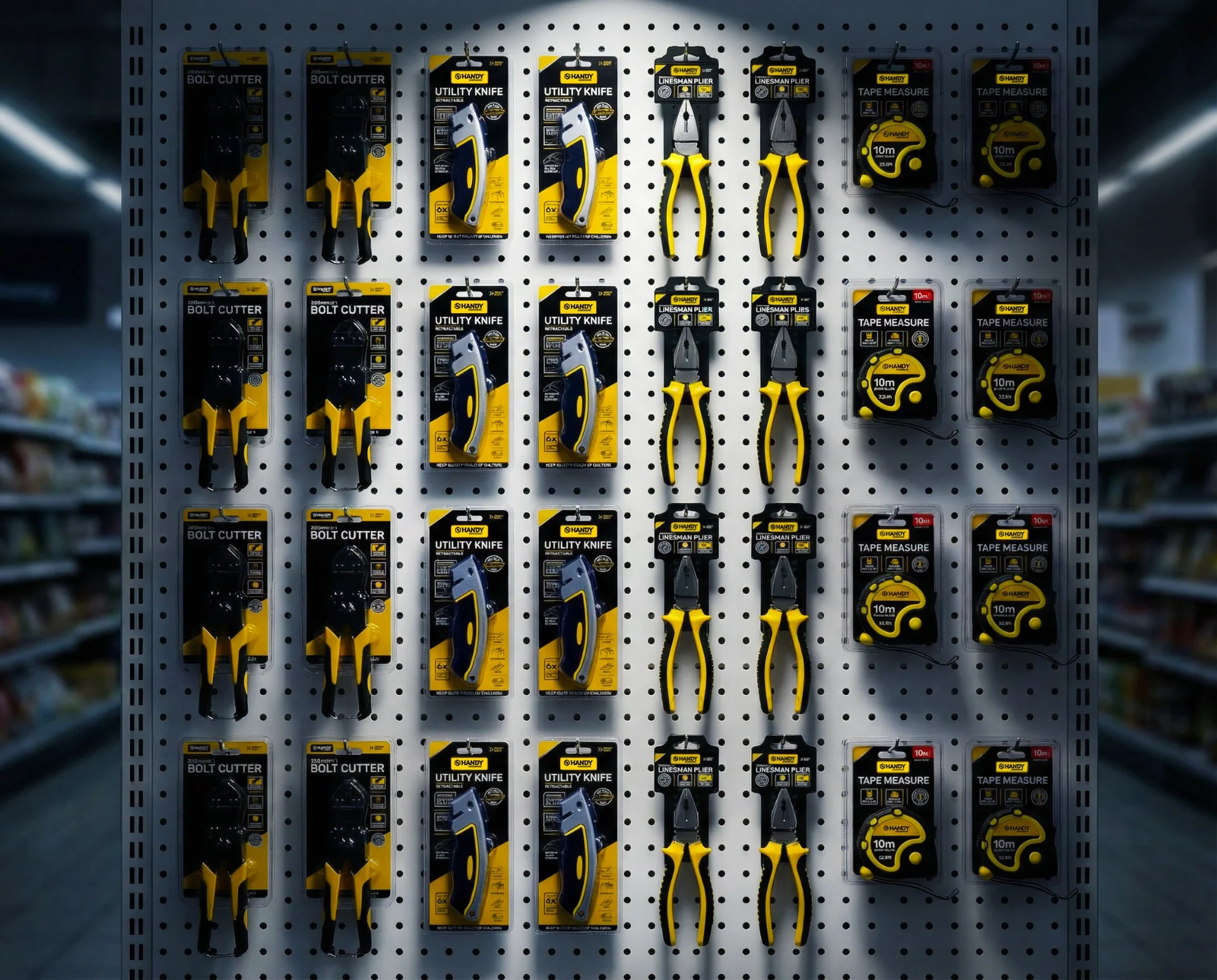
The Complete Guide to FMCG Packaging Design in Australia
In the fast-moving consumer goods (FMCG) sector, packaging isn't just a container — it's your most powerful salesperson. With less than three seconds to capture a shopper's attention on a crowded retail shelf, your packaging design can make or break a purchasing decision. This guide covers everything Australian brands need to know about creating packaging that sells.
Australia's FMCG sector is valued at over AUD $130 billion, with thousands of products competing for shelf space and online visibility across Woolworths, Big W, Catch, Amazon, FoodWorks and Metcash, as well as independent retailers nationwide. Whether you're launching a new product, refreshing an existing range, or scaling from local markets to national distribution, understanding the principles of effective packaging design is essential.
Why Packaging Design Matters More Than Ever
The role of packaging has evolved dramatically. It's no longer just about protecting the product and meeting regulatory requirements. Modern FMCG packaging serves multiple strategic functions: it communicates brand values, differentiates from competitors, conveys product benefits, triggers emotional responses, and increasingly, signals sustainability credentials.
Research consistently shows that over 70% of purchasing decisions are made at the shelf. In categories like household cleaning, personal care, and food — where products are often functionally similar — packaging is frequently the deciding factor. A well-designed pack doesn't just attract attention; it builds trust, communicates quality, and justifies price positioning.
For challenger brands competing against established multinationals, packaging design represents the most cost-effective competitive advantage available. You may not have the advertising budget of a Procter & Gamble or Unilever, but you can absolutely out-design them on shelf.
The Anatomy of Effective FMCG Packaging
Every successful FMCG pack shares a set of fundamental design principles. Understanding these elements — and how they interact — is the foundation of packaging that performs.
1. Shelf Impact and Visibility
Your packaging needs to be visible from at least two metres away — the average distance a shopper scans a shelf. This means bold colour choices, clear brand hierarchy, and strong visual contrast. The most effective packs create what designers call a "billboard effect" — they read as a cohesive brand block when multiple SKUs sit together on shelf.
2. Colour Psychology and Category Codes
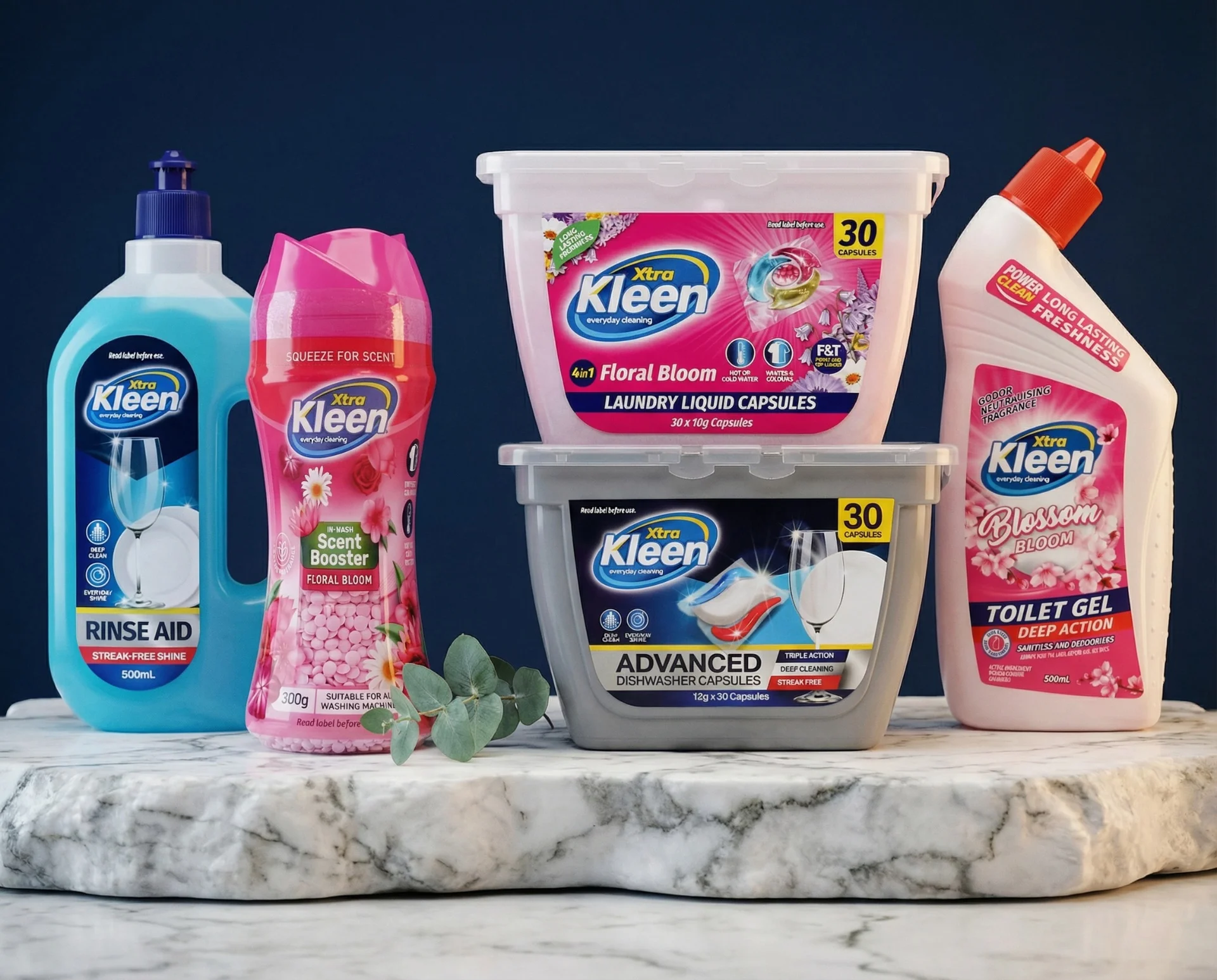
Colour is the fastest-processed visual element in packaging design. In FMCG, certain colour associations are deeply established: green signals natural or eco-friendly, blue conveys trust and cleanliness, red creates urgency and appetite appeal, and purple suggests premium quality. Understanding these category codes — and knowing when to follow or deliberately break them — is a critical design skill.
Colour coding within a product range is equally important. When a brand offers multiple variants — different scents, flavours, or formulations — each variant needs its own distinct colour identity while maintaining overall brand cohesion. This allows shoppers to quickly find their preferred variant and helps retailers manage planogram compliance.
3. Typography and Information Hierarchy
FMCG packaging needs to communicate multiple messages simultaneously: brand name, product name, variant, size, key benefits, and usage instructions. The hierarchy of this information determines how quickly and accurately a shopper processes the pack. The brand and product name should be legible from distance, while secondary information like ingredients and directions can be smaller.
Typography choices also communicate brand personality. A household cleaner might use bold, industrial sans-serif fonts to convey strength and efficacy, while a premium skincare product might use refined serif typography to suggest sophistication and quality.
4. Photography and Imagery
Product imagery on FMCG packaging serves a specific purpose: it helps the shopper understand what's inside the pack and how it will be used. High-quality lifestyle photography can elevate a product's perceived value, while clear product shots help with quick identification. The trend toward "clean" design means many brands are reducing visual clutter and letting the product speak for itself.
Designing for Australian Retail Environments
The Australian retail landscape has its own unique characteristics that directly impact packaging design decisions. Understanding these factors is essential for any brand targeting Australian consumers.
Retailer Requirements and Compliance
Major Australian retailers have specific packaging requirements that must be met before a product reaches their shelves. Woolworths, Big W, Catch, Amazon, FoodWorks, Metcash and other retailers have guidelines covering barcode placement, shelf-ready packaging (SRP) specifications, planogram compatibility, and sustainability standards. Non-compliance can result in product rejection or reduced shelf allocation.
Shelf-ready packaging — designed to go straight from shipping carton to shelf with minimal handling — has become increasingly important as retailers seek to reduce stocking time and labour costs. Your packaging design needs to account for how the product will be displayed in its retail-ready format, not just how the individual unit looks.
Regulatory Compliance
Australian packaging must comply with regulations from multiple bodies depending on the product category. Food products must meet Food Standards Australia New Zealand (FSANZ) labelling requirements. Therapeutic goods are regulated by the TGA. Chemical products must include SafeWork Australia hazard information. Ensuring regulatory compliance is a non-negotiable part of the packaging design process.
Country of origin labelling is another critical requirement. Since 2018, most food products sold in Australia must display a kangaroo-in-a-triangle logo and a bar chart indicating the percentage of Australian ingredients. Getting these elements right — and integrating them cleanly into the overall design — requires experience with Australian-specific regulations.

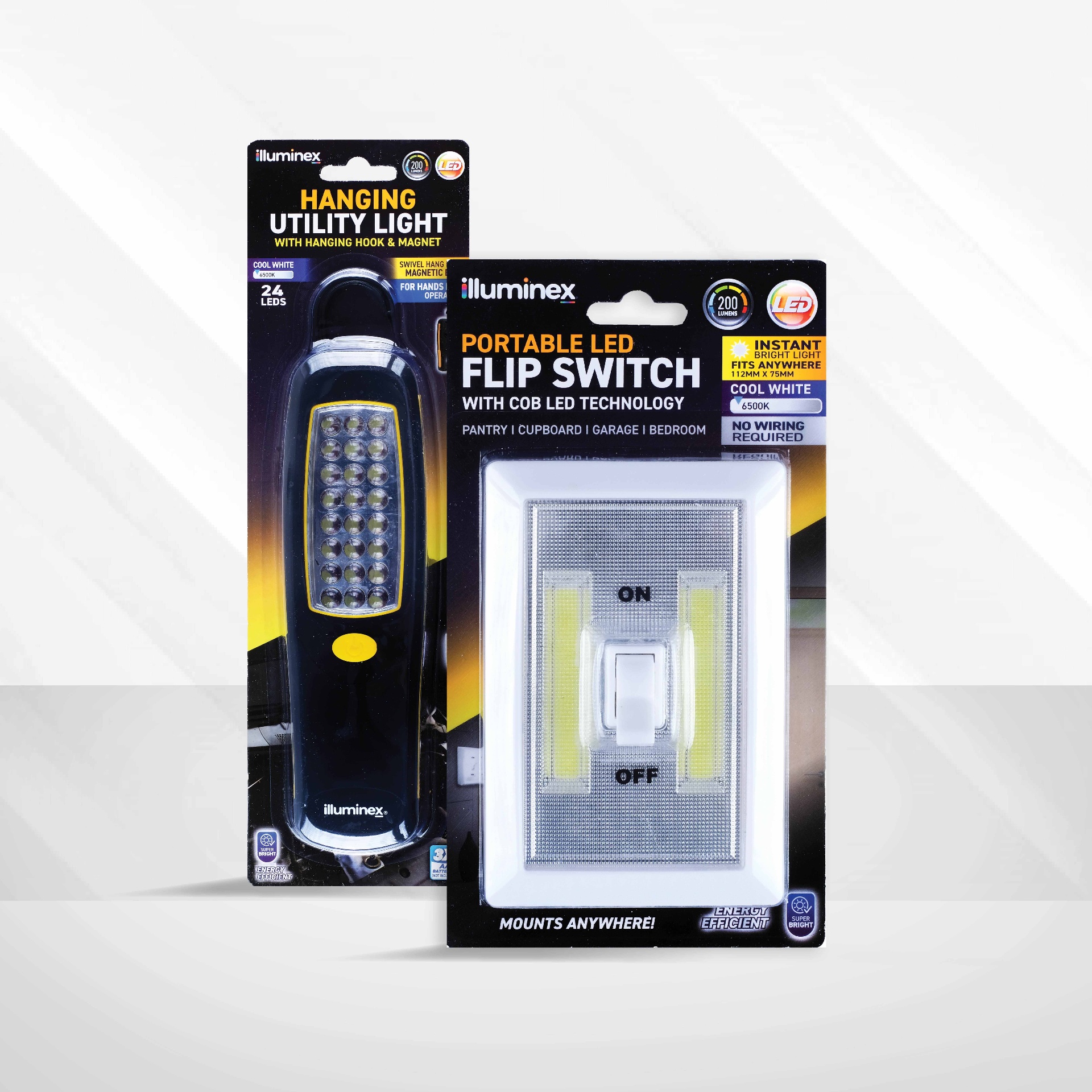
Sustainability: From Nice-to-Have to Must-Have
Sustainability has moved from a marketing differentiator to a baseline expectation. Australian consumers — particularly Millennials and Gen Z — increasingly factor environmental impact into their purchasing decisions. The Australian Packaging Covenant Organisation (APCO) has set a target for 100% of packaging to be reusable, recyclable, or compostable by 2025.
For packaging designers, this means considering material choices, print processes, and structural design through a sustainability lens. Mono-material packaging (using a single material type) is easier to recycle than multi-material constructions. Water-based inks and adhesives are replacing solvent-based alternatives. Reducing packaging weight and volume — lightweighting — reduces both material costs and carbon footprint.
The Australasian Recycling Label (ARL) program, managed by APCO, provides standardised recycling information for packaging. Including these labels correctly has become a standard expectation for products in major retail channels. Brands that lead on sustainability aren't just meeting regulatory requirements — they're building genuine competitive advantage.
The Packaging Design Process: From Brief to Shelf
A professional FMCG packaging design process typically follows a structured methodology, though the specifics vary depending on the agency and project scope.
Discovery and Research: Understanding the product, target market, competitive landscape, retail environment, and business objectives. This phase includes shelf audits, competitor analysis, and consumer insight gathering.
Strategy and Positioning: Defining the brand's positioning, key messages, visual territory, and differentiation strategy. This informs all subsequent design decisions.
Concept Development: Creating multiple design directions that explore different visual approaches. Concepts are typically presented as 3D mockups showing how the packaging will look on shelf.
Refinement and Testing: Narrowing to a preferred direction and refining the design based on feedback. Some brands conduct consumer testing at this stage, though smaller brands may rely on retailer feedback and internal review.
Artwork Production: Producing final print-ready artwork with correct colour profiles (typically CMYK for offset printing), bleed, die-lines, and manufacturer specifications. This is the most technical phase and requires experience with print production processes.
Common Packaging Design Mistakes to Avoid
Even experienced brands make packaging mistakes that cost them sales. Here are the most common pitfalls we see:
Designing in isolation. A pack that looks beautiful on a computer screen may disappear on a crowded shelf. Always design in context — mock up your pack alongside competitors and evaluate it at shelf distance.
Over-communicating. Trying to say everything on the front panel results in saying nothing effectively. Prioritise ruthlessly — the front of pack should communicate brand, product, and one key benefit. Everything else goes on the back or side panels.
Ignoring the range effect. Individual SKU design matters, but the collective impact of your full range on shelf matters more. A disjointed range with inconsistent design across variants weakens brand presence.
Underestimating production complexity. Designs that rely on special finishes, complex die-cuts, or unusual materials need to be costed and validated with your manufacturer before committing to the design direction.
How Much Does FMCG Packaging Design Cost in Australia?
These are investments that pay for themselves through increased shelf performance, retailer acceptance, and consumer preference. The cost of poor packaging design — in lost sales, retailer rejection, and brand perception damage — far exceeds the investment in getting it right.
Your Packaging Is Your Most Valuable Sales Asset
In the Australian FMCG market, packaging design isn't a creative afterthought — it's a strategic business decision. The brands that invest in thoughtful, research-informed packaging design consistently outperform those that treat it as a commodity. From shelf impact and colour strategy to regulatory compliance and sustainability, every element of your packaging should be designed with purpose.
Whether you're a startup launching your first product or an established brand refreshing your range, the principles remain the same: understand your consumer, respect the retail environment, differentiate with confidence, and invest in quality execution.
Need Packaging Design for Your FMCG Product?
Webfx2 Digital has over fifteen years of experience designing packaging for FMCG products sold in major Australian retailers. From household cleaning products to pet care, hardware, and health and beauty — we create packaging that stands out on shelf and drives purchasing decisions.